



Practical application of neural networks in crypto trading helps beginners filter market noise, find entry points, and reduce emotional errors when analyzing volatile assets in 2026.
Everyone who believes AI will replace traders is wrong. But those who ignore AI analytics are already losing. Have you ever caught yourself buying a coin at the peak of hype and selling in panic? In the next few minutes, you’ll see how neural networks help you avoid these traps, turning chaos into clear signals.
Why manual analysis no longer works in the volatility of 2026
The crypto market in 2026 generates terabytes of data daily: on-chain metrics, social signals, order book analytics, macroeconomic statistics. A human physically cannot process this flow without bias. I went through this myself: from 2022 to 2024, I spent 4–6 hours a day gathering data, yet still made decisions based on emotion. The result was a series of losing trades that could have been avoided with structured AI analytics.
AI doesn’t replace your decision-making, but it gives you “supervision”—the ability to see what’s hidden behind the noise.
Which AI tools for cryptocurrency analysis actually save time for a beginner trader
I’ve tested over 15 platforms in the last 6 months. Here are the ones that offer the most value with the lowest barrier to entry:
Basic Level (Free / Freemium)
- Powerdrill Bloom — upload a CSV of your trading history or a PDF whitepaper, and AI generates visual reports and answers questions in natural language. Perfect for those who don’t want to code.
- Arkham Intelligence — visualizes wallet connections, helps track “smart money” movements. Free for basic functionality.
- Dune Analytics — a library of ready-made dashboards for DeFi, NFTs, L2. Includes an assistant for generating SQL queries.
Advanced Level (Subscription)
- Token Metrics — AI coin ratings based on 80+ parameters, bull/bear signals, narrative detection. Especially useful for filtering “noisy” altcoins.
- Glassnode — deep on-chain analytics for macro cycles. The free tier provides delayed data, which is sufficient for long-term strategies.
- Santiment — a combination of social sentiment and on-chain metrics. Unique indicators like “Age Consumed” help catch reversals.
Start with free tools; add paid subscriptions as your portfolio and strategy complexity grow.
How to start: a step-by-step algorithm for your first AI crypto analysis as a beginner
- Define your goal: Are you looking for an entry point, checking fundamentals, or assessing risk? This determines which metrics to use.
- Gather data: Export your trading history from an exchange (CSV), find the project’s whitepaper (PDF), open a relevant dashboard on Dune.
- Upload to an AI tool: for example, in Powerdrill Bloom ask: “Show the correlation between trading volume and price over the last 30 days“.
- Verify signals: Cross-check AI output with data from a second source (e.g., on-chain metrics from Glassnode).
- Make a decision: AI provides probability, not certainty. Your job is to assess risk/reward and record your logic in a journal.
Important: don’t blindly trust any tool. Even Token Metrics, when showing a “Bull” signal, can be wrong during black swan events.
The algorithm is simple but requires discipline. Record each step—this is your personal dataset for learning.
Platform comparison: objective pros and cons of AI tools for crypto trading
| Criteria | Free (Powerdrill, Arkham) | Paid (Token Metrics, Glassnode) |
|---|---|---|
| Data Depth | Basic on-chain analytics, visualization | Macro metrics, predictive models |
| Entry Barrier | Low (natural language interface) | Medium (requires understanding of metrics) |
| Update Speed | Real-time for social signals, delay for on-chain | 1–24 hour delay on free tiers |
| Integrations | CSV export, basic APIs | Webhooks, advanced APIs, alerts |
Pros of free solutions: quick start, no budget risk, learn how to formulate AI queries.
Cons: limited depth, data delays, less customization.
Pros of paid platforms: access to exclusive metrics, priority support, ready-made strategies.
Cons: cost ($49–400/month), risk of “overpaying” at the start.
The optimal strategy is hybrid. Use free tools for daily screening, paid tools for in-depth hypothesis validation.
My case study: how AI analytics saved my portfolio in March 2026
In mid-March 2026, altcoins surged following regulatory news. Social media was buzzing: “buy in, there’s going to be a pump.” I almost gave in, but first ran the top 10 coins through a combination of tools:
- LunarCrush showed an abnormal spike in mentions, but also a drop in discussion quality (many bots).
- Santiment recorded token outflows from exchanges, but simultaneously a decline in developer activity on GitHub.
- Token Metrics issued a “Hold” signal with a note of “high correction risk”.
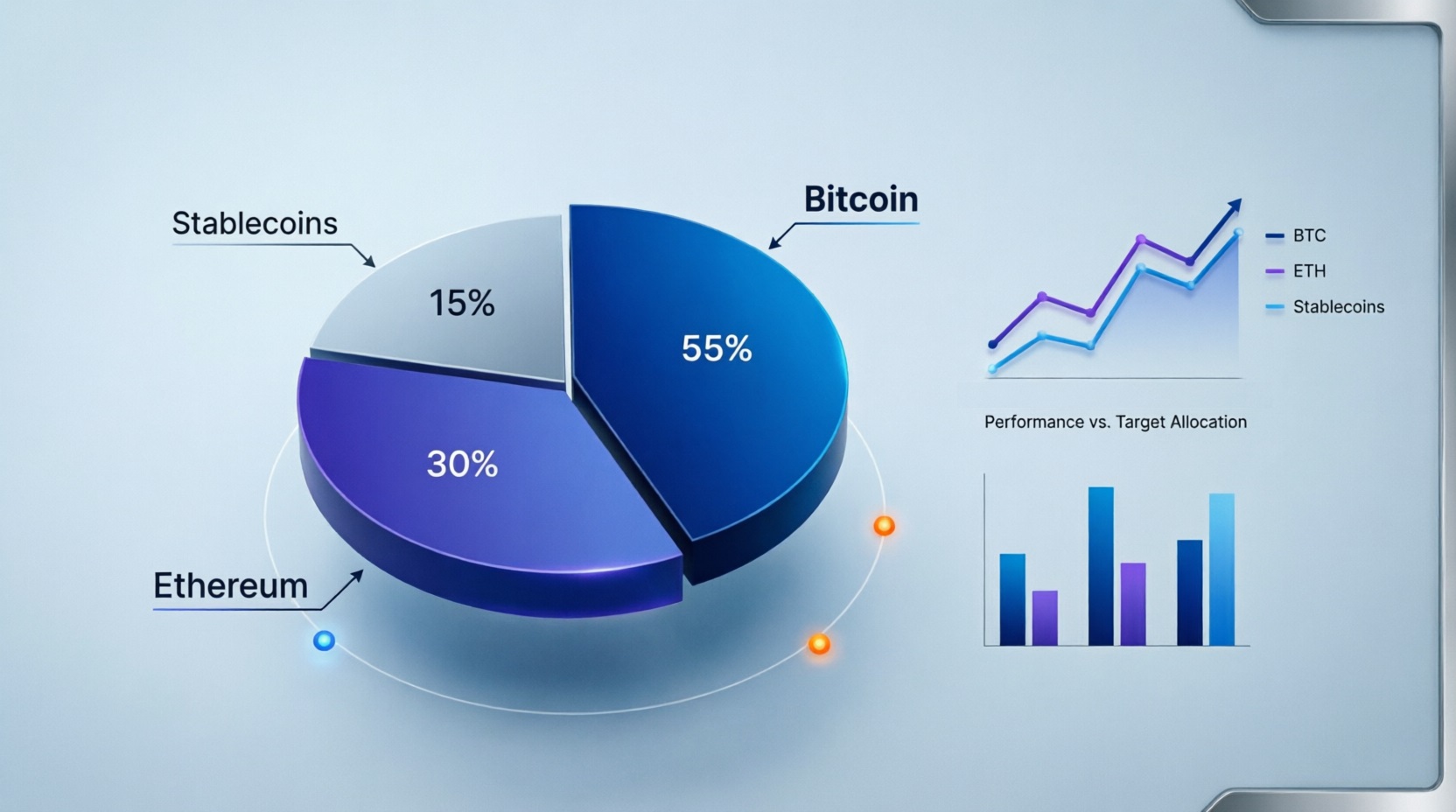
Result: I didn’t enter a position. Within 72 hours, the market corrected 22–35% across altcoins. Those who bought the hype lost 15–40% of their portfolios. My portfolio, focused on BTC and ETH with stablecoin hedging, was up +3.2% for the week.
This isn’t a “profit guarantee.” It’s an example of how AI helps filter emotional noise and make a measured decision.
AI doesn’t make you rich. It makes you disciplined. And discipline in trading is 80% of success.
Key considerations: risks and limitations of using AI in crypto trading
- AI works on historical data. Black swan events, regulatory shocks, technical failures—all can break even the most accurate model.
- Input data quality is critical. “Garbage in, garbage out.” Always verify your sources.
- Account security. When connecting API keys, use read-only access and two-factor authentication.
- Emotions don’t disappear. AI provides a signal, but the decision is yours. Don’t outsource responsibility to the algorithm.
Trading cryptocurrencies, stocks, forex, and other assets involves significant risk. This is not financial advice. Always conduct your own research.
AI is a powerful tool, but not a cure-all. Your job is to use it as a “second opinion,” not as the sole source of truth.
Disclaimer: The information is for informational and analytical purposes only. The author is not responsible for readers’ financial decisions.
How to scale the approach: from first analysis to a systematic strategy
Once you’ve mastered the basic “query → analysis → decision” cycle, move to automation:
- Set up alerts: let AI notify you when key metrics are reached (e.g., exchange outflows + rising social sentiment).
- Create query templates: for quickly screening new coins using a consistent checklist.
- Maintain a decision journal: record what signal AI gave, what decision you made, and the outcome. This is your personal dataset for refinement.
- Test hypotheses on demo: before risking real capital, validate your strategy on historical data or a demo account.
I personally use a combination: Powerdrill for initial screening → Token Metrics for deep verification → manual final check. This takes 20–30 minutes a day instead of 4–6 hours of manual analysis.
Scaling isn’t about more tools—it’s about more discipline. Automate the routine; focus on decision-making.




Полезная информация