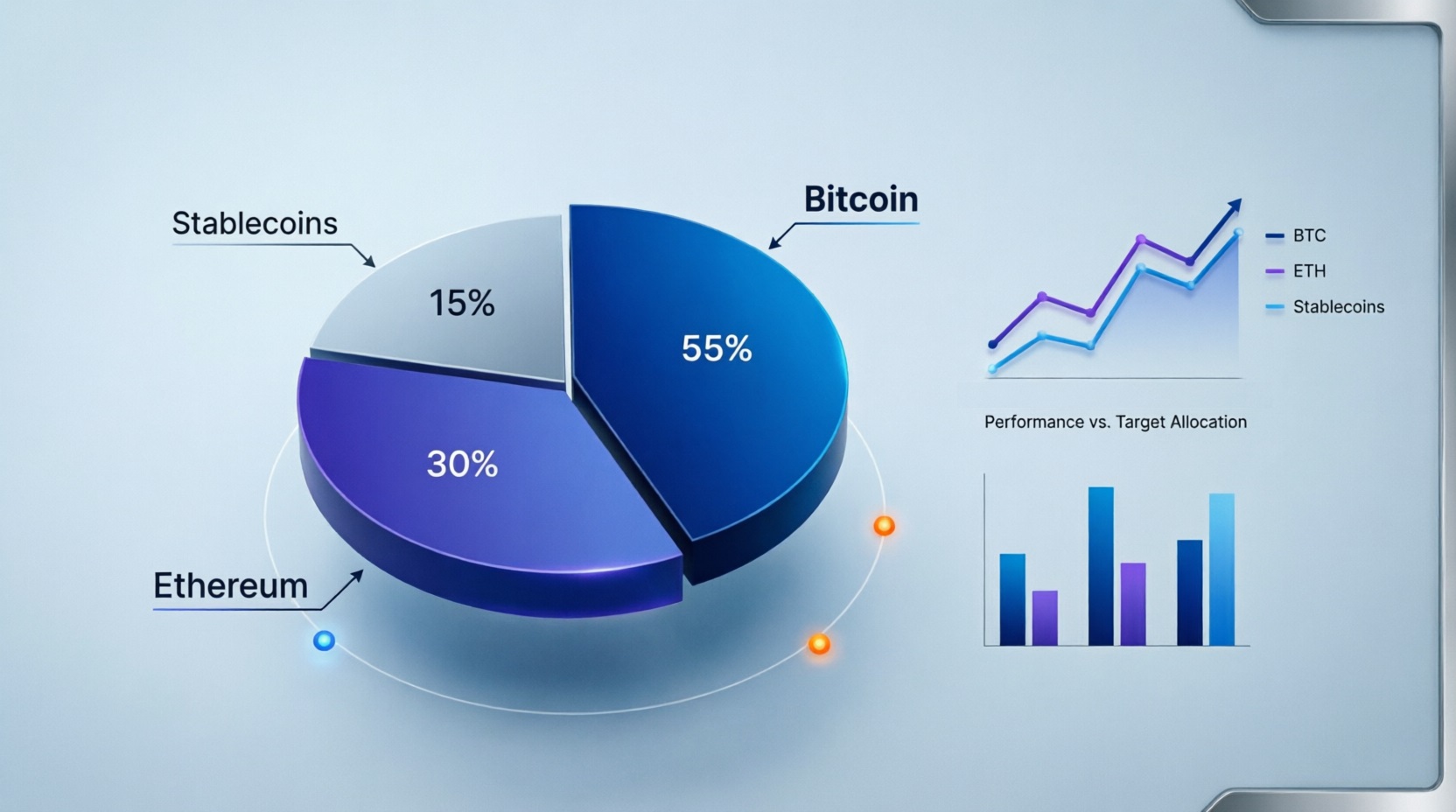
The Hook: How I Lost $50,000 on a “Promising” ICO
It was 2017. The ICO mania was at its peak. Projects were raising millions with nothing but a whitepaper and a website. I considered myself experienced — I’d been in the game since 2010, survived the 2014 crash, made money on Bitcoin and Ethereum.
Then I found “the next big thing.” A project promising to revolutionize decentralized storage. The website looked professional. The team had impressive LinkedIn profiles. The whitepaper was full of technical jargon that sounded convincing.
I invested $50,000.
Six months later, the project was dead. The founders disappeared. The Telegram group went silent. My money was gone.
That experience taught me a painful lesson: in crypto, looking good doesn’t mean being good. Since then, I’ve developed a systematic approach to fundamental analysis that has saved me from countless scams and helped me find genuinely promising projects.
In this guide, I’ll share the exact framework I use to evaluate crypto projects in 2026. No fluff, no hype — just practical tools that work.
Why Fundamental Analysis Matters More Than Ever in 2026
The crypto market has matured significantly since 2017. The days when you could throw money at any project with a cool website are long gone. According to recent data, over 90% of new crypto projects fail within the first two years.
Yet the scams haven’t disappeared — they’ve just become more sophisticated. AI-generated whitepapers, fake team profiles, and manipulated social media metrics make it harder than ever to separate legitimate projects from sophisticated scams.
Fundamental analysis is your shield. It helps you answer three critical questions:
- Is this project solving a real problem?
- Does the team have the capability to deliver?
- Is the token economics sustainable?
Step 1: Start with the Problem — Not the Solution
Most investors make the mistake of falling in love with the technology. They hear “blockchain-based AI-driven decentralized whatever” and get excited.
I do the opposite. I start with the problem.
My framework:
| Question | What to Look For |
|---|---|
| What real-world problem does this solve? | Clear, specific problem statement |
| Who has this problem? | Defined target audience |
| How are they solving it now? | Existing solutions (or lack thereof) |
| Why is blockchain necessary? | Genuine need for decentralization |
Red flags:
- 🚩 Vague problem statements (“making the world better”)
- 🚩 Solutions looking for a problem
- 🚩 Blockchain added just for hype
Green flags:
- ✅ Clear, specific problem definition
- ✅ Evidence of market demand
- ✅ Blockchain genuinely adds value
For example, when I evaluated Bybit years ago, the problem was clear: traders needed a reliable, liquid derivatives exchange. The solution was straightforward. No blockchain buzzwords, just a real product solving a real problem.

Step 2: Analyze the Whitepaper — Beyond the Hype
The whitepaper is still the foundation of any serious crypto project. But in 2026, AI can generate convincing whitepapers in minutes. You need to dig deeper.
My whitepaper analysis checklist:
1. Technical substance
- Does it explain how the technology works?
- Are there technical diagrams, specifications, or architecture?
- Does it reference existing research or introduce novel concepts?
2. Realistic roadmap
- Are milestones specific and measurable?
- Are timelines realistic (not “Q1 2026: Moon landing”)?
- Have they met previous roadmap deadlines?
3. Token economics (tokenomics)
- What is the total supply? Is it fixed or inflationary?
- How are tokens distributed? (team, investors, community)
- What is the utility of the token? (Do you need it to use the product?)
- Are there vesting schedules for team tokens?
4. Competitor analysis
- Does the whitepaper acknowledge existing projects?
- How is this project different/better?
- Is the comparison honest or dismissive?
5. Regulatory considerations
- Does the project address regulatory compliance?
- Is the token structured to avoid being a security?
- Are there geographic restrictions?
I published a detailed whitepaper analysis template on Medium — feel free to use it.
Step 3: Investigate the Team — This Is Where Scams Die
The team is the single most important factor in a project’s success. Smart contracts can be audited, code can be forked, but a committed, transparent team is irreplaceable.
My team investigation process:
1. Verify identities
- Are team members doxxed (real names, photos)?
- Can you find their LinkedIn, GitHub, Twitter?
- Do their profiles match their claimed experience?
2. Check backgrounds
- Have they worked on successful projects before?
- Do they have relevant technical or business expertise?
- Are there any red flags (failed projects, legal issues)?
3. Evaluate transparency
- Do they participate in community discussions?
- Are they responsive to criticism?
- Do they have regular AMAs (Ask Me Anything sessions)?
4. Look for anonymous teams
- 🚩 No identifiable team members = instant pass for me
- There are exceptions (privacy-focused projects), but they’re rare
Real example: When I was evaluating Bitget, I spent hours researching the management team. Their transparent leadership and regular community engagement were major factors in my decision to partner with them.

Step 4: Community Analysis — Real Engagement or Paid Bots?
A vibrant community is essential for any crypto project. But in 2026, fake engagement is easier than ever. AI-powered bots, paid followers, and engagement farms can make any project look popular.
How I evaluate community health:
1. Telegram/Discord quality
- Are conversations substantive or just “wen moon”?
- Do team members actively participate?
- Are critical questions banned or deleted?
2. Social media metrics
- Follower-to-engagement ratio (10K followers with 10 likes = bots)
- Quality of comments (relevant or generic spam)
- Growth pattern (organic or sudden spikes)
3. GitHub activity
- Regular code commits?
- Multiple contributors?
- Responsive to issues and pull requests?
4. Reddit/Twitter sentiment
- What are independent crypto communities saying?
- Are there credible critics with valid points?
- Is criticism addressed constructively?
Tools I use:
- LunarCrush for social metrics
- Santiment for on-chain data
- MEXC new listing performance as a sentiment indicator
Step 5: Tokenomics Deep Dive — Follow the Money
Tokenomics determines whether a project can sustain long-term value. Poor tokenomics can kill even the most promising technology.
My tokenomics framework:
| Factor | What to Analyze | Good Sign | Bad Sign |
|---|---|---|---|
| Supply | Total, circulating, max | Reasonable cap | Infinite inflation |
| Distribution | Team, investors, community | Team < 20% | Team > 40% |
| Vesting | Lock-up periods | 2+ years with cliffs | No vesting |
| Utility | What token does | Essential for product | Just for governance |
| Incentives | Staking, rewards | Sustainable yields | Unsustainable inflation |
| Treasury | Funds for development | Transparent, multi-sig | Opaque, single wallet |
The team vesting test: If the team won’t lock their tokens for at least 2 years, they’re not confident in the project. I’ve seen too many projects where teams dumped on retail at the first opportunity.
Exchange tokens case study: When I analyzed HTX (formerly Huobi) and MEXC exchange tokens, I looked at:
- Exchange revenue (real business)
- Token utility (fee discounts, voting rights)
- Regular buyback-and-burn mechanisms
Step 6: Product Evaluation — Code Speaks Louder Than Words
Ultimately, a project needs to deliver a working product. In 2026, with AI accelerating development, there’s no excuse for years of delays.
What I look for:
1. Working product/MVP
- Can I test it myself?
- Is there a testnet or demo?
- Does it actually work as advertised?
2. Development activity
- Regular code commits on GitHub?
- Active development across multiple repos?
- External contributors?
3. Security audits
- Audited by reputable firms?
- Are audit reports publicly available?
- Have vulnerabilities been addressed?
4. Partnerships
- Are partnerships legitimate or just logo-collecting?
- Do partnerships involve actual integration?
- Can you verify with the partner?
5. User feedback
- What are actual users saying?
- Review sites, app store ratings, forum discussions
For automated trading tools like RevenueBot, I spent weeks testing the platform before recommending it. The proof is in the product.
The 10-Point Scoring System
After years of refinement, I’ve developed a simple scoring system that helps me compare projects objectively.
| Category | Max Points | My Weight |
|---|---|---|
| Problem & Solution | 10 | 1.5x |
| Whitepaper Quality | 10 | 1x |
| Team | 10 | 2x |
| Community | 10 | 1x |
| Tokenomics | 10 | 2x |
| Product | 10 | 2x |
| Security | 10 | 1.5x |
| Partnerships | 10 | 0.5x |
| Roadmap Progress | 10 | 1x |
| Market Potential | 10 | 1x |
Scoring guidelines:
- 90-100: Strong buy — allocate significant position
- 70-89: Buy — worth a position
- 50-69: Hold/observe — maybe small test position
- Below 50: Pass — too many red flags
I share my current project scores weekly on Substack.
Red Flags Checklist — When to Walk Away
Over 16 years, I’ve compiled a list of red flags that automatically disqualify a project:
🚩 Team red flags:
- Anonymous team (with rare exceptions)
- Inflated or fake credentials
- No community engagement
- Defensive or hostile to questions
🚩 Tokenomics red flags:
- Team holds > 40% with no vesting
- Unsustainable staking rewards (like 1000% APY)
- No clear token utility
- Constant token unlocks dumping pressure
🚩 Marketing red flags:
- Paid influencers shilling without disclosure
- Fake community engagement (bots)
- Aggressive DMs asking you to buy
- “Too good to be true” guarantees
🚩 Technical red flags:
- No working product after years
- Copied whitepaper (plagiarism check)
- No security audits
- Centralized control of funds (no multi-sig)
Tools and Resources I Use
Here are the tools I rely on for fundamental analysis:
Research platforms:
- Messari — Fundamental data and research
- CoinGecko — Token metrics and info
- DappRadar — DApp statistics
- DefiLlama — DeFi protocol data
On-chain analysis:
- Etherscan — Ethereum blockchain explorer
- Nansen — On-chain analytics (paid)
- Dune Analytics — Community dashboards
Community monitoring:
- LunarCrush — Social metrics
- Santiment — On-chain + social data
Exchanges for market data:
- Bybit — Spot and derivatives data
- Bitget — Copy trading insights
- MEXC — New listing trends
- HTX — Market depth
Affiliate networks for funding research:
- ePN — Financial CPA offers
- Affstore — Various affiliate programs
- Sabiotrade — Trading platform referrals
I use commissions from these networks to fund my research and writing — it allows me to stay independent and objective.
Pros and Cons of Fundamental Analysis
Pros:
✅ Long-term perspective — Helps identify projects with real staying power
✅ Risk reduction — Avoids obvious scams and weak projects
✅ Conviction — Confidence to hold through volatility
✅ Early entries — Find gems before they’re hyped
✅ Exit strategy — Know when fundamentals deteriorate
Cons:
❌ Time-intensive — Proper analysis takes hours per project
❌ Requires diverse skills — Tech, finance, psychology
❌ Not perfect — Even great projects can fail
❌ Market irrationality — Good projects can stay undervalued
❌ Information asymmetry — Teams always know more
Case Study: How I Evaluated RevenueBot
Let me walk you through a real example — how I evaluated RevenueBot before committing significant funds.
Step 1: Problem & Solution
- Problem: Manual trading is time-consuming and emotional
- Solution: Automated cloud-based trading bots
- Verdict: Clear, real problem — 9/10
Step 2: Team
- Doxxed team with LinkedIn profiles
- Previous experience in fintech
- Active in community, responsive to feedback
- Verdict: 9/10
Step 3: Product
- Working platform for 3+ years
- Backtesting available
- Connects to major exchanges
- Verdict: 9/10
Step 4: Tokenomics (not applicable — SaaS model)
- Subscription/profit-share pricing
- No token, no speculation
- Verdict: N/A
Step 5: Community
- Active Telegram with genuine discussions
- Team participation
- Reasonable engagement metrics
- Verdict: 8/10
Overall Score: 87/100 → Strong buy
The result? I’ve been using RevenueBot for 18 months with excellent results. The fundamental analysis worked.
Conclusion: Fundamentals Always Win in the Long Run
In 2010, you could throw money at almost anything and make profits. Those days are gone forever.
In 2026, the crypto market is maturing. The projects that survive and thrive will be those with strong fundamentals — real problems, capable teams, sustainable tokenomics, and working products.
Fundamental analysis isn’t sexy. It won’t make you rich overnight. But it will:
- Save you from losing money on obvious scams
- Give you conviction to hold through volatility
- Help you find gems before they’re discovered
- Build a sustainable portfolio that grows over time
I still make mistakes. I still miss projects. But since implementing this systematic approach, my hit rate has improved dramatically, and my stress levels have dropped.
If you’re tired of gambling on hype and want to invest with confidence, start practicing fundamental analysis. It’s a skill that compounds over time — just like compound interest.
I publish detailed project analyses weekly on Medium and Substack. Follow along if you want to learn together.
Question for Readers
What’s your process for evaluating crypto projects? Have you ever been burned by a scam, and what did you learn? Share your experiences in the comments — let’s build a knowledge base together!
Fuel the Creation 🚀
This guide took over 20 hours to research and write. If you found it valuable, consider supporting the work:
Send support here:
- WebMoney Donation
- Azvox Cash Donation
- TON Donation:
UQDjLYAWRYXBhkW0cbp3c6NPNR9MVq4L9AJzxLrihnqz1Rwt
Send only Toncoin to this address. Other assets may be irretrievably lost.
Thank you to everyone who’s supported — you know who you are! 🙏
Special thanks to wallet 0x… for the generous support last week — it helps keep the research going!
Where Else to Find Me
- Medium: @fingrafov — Full technical deep dives
- Substack: fingrafov.substack.com — Weekly newsletter
- Steemit: @fingrafov — Crypto community discussions
- AffiliateFix: fingrafov — Affiliate marketing forum
Originally published on Investopedia.su.